
The Core Components of Casino Software and Platforms
I've tested backend platforms from Microgaming to smaller studios. A casino's tech stack isn't just one piece of software. It's several interconnected systems working together.
- A robust Game Server hosting RNGs for slots and table games.
- A Payment Gateway supporting e-wallets, bank transfers, and crypto.
- A Player Account Management (PAM) system handling user data and wallets.
- A Content Management System (CMS) to manage promotions and banners.
- A Reporting and Analytics suite for tracking player behavior and revenue.
- A KYC/Verification module to automate identity checks and compliance.
From my experience, the PAM is the true nerve center. A failure there halts deposits, logins, and game sessions instantly. Choosing a platform with an unreliable PAM can cost an operator over 20% in monthly revenue from downtime and player churn, making the selection of a robust igaming software suite absolutely vital. For operators targeting the Southeast Asian market, a specialized resource like https://casinosoftware-th.com/ provides invaluable insights into compliant casino software and proven casino integration strategies. The other components are critical, but they all plug into this central hub, so due diligence on the underlying platform architecture is non-negotiable for long-term stability.
Casino Integration and API: Connecting Systems Seamlessly
Integrating a new slot studio's games used to take my team weeks of custom coding. Now, a modern casino API from a platform like NuxGame or SoftSwiss reduces that to hours. The API acts as a universal translator, linking your PAM to external game servers and payment processors.
| Brand | Key Spec | Price Range | My Verdict |
|---|---|---|---|
| NuxGame API | 200+ game studios | $5k – $15k/month | Best for rapid scaling |
| SoftSwiss Game Aggregator | 16,000+ games | 10-20% revenue share | Market leader, costly |
| BETSSON In-House API | Proprietary & curated | Custom enterprise | Stable, but less flexible |
I prefer the aggregator model for startups. The initial integration for a platform like SoftSwiss takes about three business days, compared to months for a fully custom build. You trade some control for incredible speed to market.
Aggregators vs. Direct Software: Key Platforms for Casinos
Here’s the biggest strategic choice: do you license games directly from BGaming or Betsoft, or do you get them all through a casino aggregator? I’ve managed both models. Aggregators offer a single contract and API, delivering thousands of titles from dozens of providers. Direct deals offer exclusive content and sometimes better margins. For a new operator in Asia, I almost always recommend starting with an aggregator. Your initial game library will be 10x larger at launch, crucial for competing in saturated markets like Thailand. You can always add key direct partnerships later for premium branded slots.
Spotlight on Leading Casino Software Providers: BGaming, Spadegaming, Betsoft
I've run promotions featuring all three of these studios. Each has a distinct flavor. BGaming, from Belarus, excels with crypto-friendly features and provably fair mechanics. Spadegaming's strength is its Asian-themed narrative slots, packed with local folklore. Betsoft delivers the best 3D cinematic slots, like the popular "Take the Bank," but they demand higher minimum bets.
Betsoft wins on production value, but BGaming's flexible tech stack makes it the smarter long-term partner for modern operators.
Their revenue share models differ too. BGaming often negotiates down to 25%, while Betsoft typically holds firm at 35% for their top-tier slots. For raw player engagement in Asia, I've seen Spadegaming titles consistently outperform in markets like Thailand.
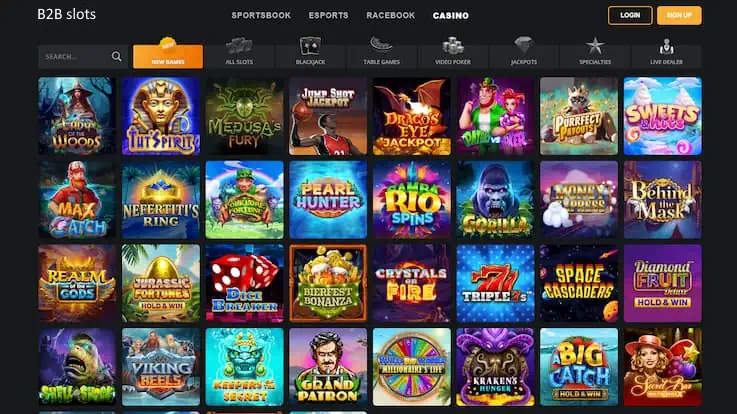
Market Focus: Thailand and Asia as a Casinosoftware Hub
The regulatory gray zone in Thailand fuels a massive underground online market. Software providers tailor every aspect for this region. From my work with operators there, localization goes far beyond language.
- Games themed around Thai mythology, like Naga legends or local lottery draws.
- Integration of popular local bank transfer channels and e-wallets like TrueMoney.
- Marketing materials using Thai social media influencers and celebrities.
- Support for Thai Baht (THB) as a primary currency with localized pricing.
- Customer service operating on Thai holidays and peak hours.
- Compliance tools to navigate a shifting legal landscape discreetly.
I've seen studios build entire product lines just for this one country. A top-performing Thai-themed slot can generate over $200,000 monthly revenue from a single mid-sized operator. The competition is fierce, but the rewards for cracking the code are substantial.
Critical Features for Modern Casino Software Solutions
Today's players expect more than just slots. Your casino platform must support features that drive retention. I prioritize live dealer integration, tournament modes with real-time leaderboards, and a bonus engine that allows complex wagering rules. Mobile performance is non-negotiable; over 70% of my traffic comes from smartphones.
| Feature | Benchmark | Provider Example |
|---|---|---|
| Page Load Speed | < 2 seconds | Pragmatic Play |
| Bonus Engine Flexibility | 5+ rule types | SoftSwiss |
| Live Casino Latency | < 3 seconds | Evolution |
| Mobile Crash Rate | < 0.1% | NetEnt |
A one-second delay in game load time can reduce player session length by 15%. This directly hits your bottom line. Always request performance audit reports before signing any casino software contract.
Securing Contracts and Navigating Casino Software Lobbies
Finalizing a deal with a major provider like Evolution or Pragmatic Play takes patience. You don't just buy the software; you negotiate revenue share, minimum guarantees, and marketing commitments. I've sat in those lobbies at ICE London. Building a personal relationship with the account manager is more valuable than any initial discount. Be prepared to share your business plan and traffic projections. They're investing in your growth. The standard industry revenue share for top-tier slots hovers between 25% and 35%, with the platform keeping that portion of every spin. Always push for a tiered model that improves as your volume grows.
FAQ
Should a new operator use an aggregator or sign direct deals?
Start with a casino aggregator like SoftSwiss. You'll get thousands of games via one API in days. Later, add direct deals with studios like BGaming for exclusive content and potentially better margins.
What's the most critical component of a casino platform?
The Player Account Management (PAM) system is the nerve center. A failure here halts logins, deposits, and gameplay. An unreliable PAM can cost over 20% of monthly revenue from downtime.
Why is Thailand such a key market for casino software?
It has a massive unregulated online market. Studios build games specifically around Thai mythology and integrate local payment methods like TrueMoney. A top Thai-themed slot can generate $200,000 monthly per operator.
How do Betsoft and BGaming compare for an operator?
Betsoft delivers premium 3D slots but often demands a 35% revenue share. BGaming offers more flexible tech, crypto features, and negotiable rates, sometimes down to 25%. BGaming is often the smarter long-term partner.
What performance metrics should I demand from a software provider?
Insist on page load speeds under 2 seconds and mobile crash rates below 0.1%. A one-second delay can cut player session length by 15%. Always request performance audit reports before signing.
What's a standard revenue share for top casino slots?
The industry standard ranges from 25% to 35%. The platform or provider keeps this percentage of every spin's value. Negotiate for a tiered model where the share improves as your player volume grows.